The One Thing You Should Never Share on Random Video Chat (Even With a Good Match)
Random video chat is built on anonymity, and that anonymity is exactly what keeps it fun and safe. But the moment you share the wrong thing, that protection disappears. There is one category of information you should never share on random video chat — even with a match that seems great — because once it is out there, you cannot take it back. Here is what it is, why it matters, and how to keep it to yourself.
The One Thing You Should Never Share
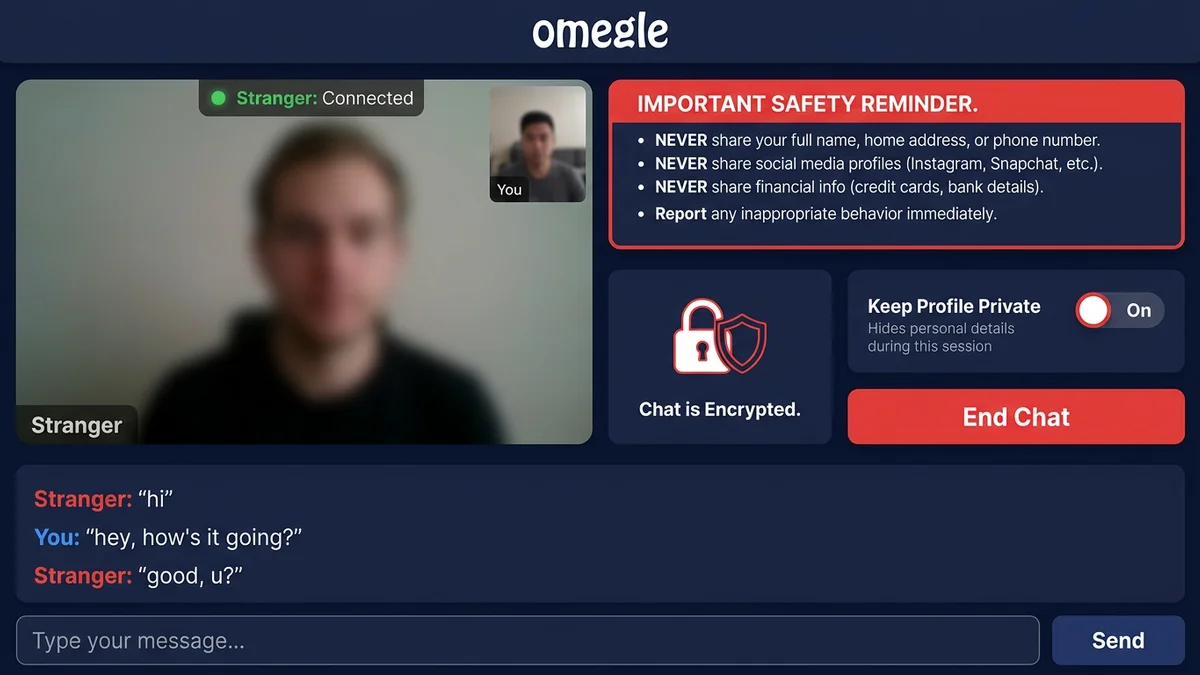
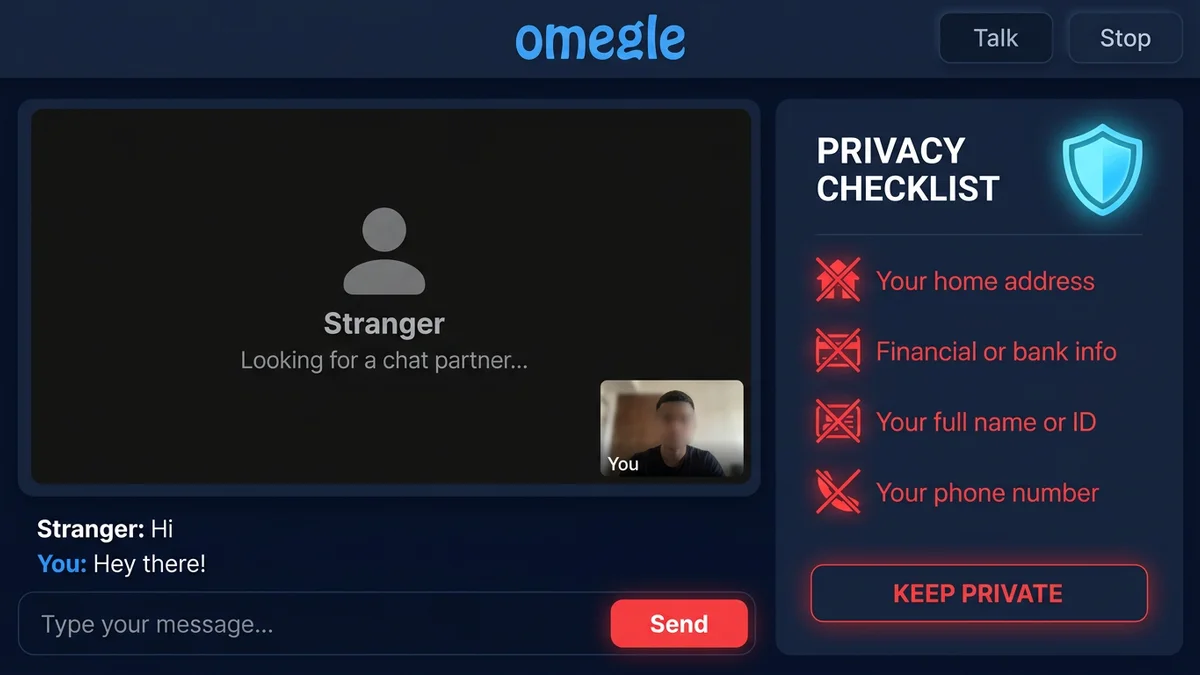
The one thing you should never share on random video chat is anything that can identify you in real life. That means your real full name, your exact address, your workplace, your school, your phone number, and any details that could let a stranger find or reach you outside the platform. Even a seemingly harmless detail — like the city you live in combined with where you work — can be enough to piece together who you are. Your anonymity is your shield, and once you hand over identifying information, that shield is gone.
Why a “Good Match” Still Isn’t Enough
Here is the uncomfortable truth: even a match that feels warm and trustworthy is still a stranger. You cannot truly verify who they are, what they want, or what they will do with what you share. A person who seems great in a cam2cam session could still be a catfish, a scammer, or someone who collects information for malicious purposes. The risk is not about whether they seem nice — it is about the fact that you cannot control what happens to your information once you give it out. Genuine people will respect your boundaries; anyone who pressures you to reveal personal details is a red flag in itself.
What Counts as Identifying Information
It helps to be specific about what to protect. Beyond the obvious (name, address, phone), be careful with: your social media handles, your workplace or company, your school, your license plate or car, your bank or card details, and any documents or screens showing them. Also be wary of background clues — a uniform, a badge, or mail with your name could reveal things you did not mean to. Even your voice and face are identifying in a way, which is why you should never show anything you are not comfortable having connected to your real identity.
Why This Is Not Paranoia
Protecting this information is not paranoia — it is basic safety, and it is backed by how the real world works, the same way health and safety guides recommend guarding personal details when sexting online. The scams and leaks that actually happen almost always start with someone giving away too much. A scammer needs personal details to steal your identity, access your accounts, or blackmail you. A person who records you can misuse your content if they also know how to find you. The less identifying information you share, the less leverage anyone has over you, and the harder it is for a bad actor to cause real harm.
What You Can Share Instead
Keeping your identity private does not mean the conversation has to be cold. You can still be warm, fun, and genuine by sharing your interests, your humor, your opinions, and your personality — just not your identifying details. You can talk about what you enjoy, what you are looking for, and even flirt, all without revealing who you actually are. Separating your real identity from your chat persona is exactly what keeps the experience fun and safe, and it is a skill worth practicing.
Watch Out for the Ways It Gets Slid Out of You
Scammers and manipulators are skilled at getting you to reveal more than you meant to. They might flatter you into oversharing, ask casual questions that add up, or claim they “already know” part of your info to trick you into confirming it. Some move the conversation to another app where you feel safer and then ask for more. The defensive habit is simple: whenever someone asks for personal details, slow down, and remember you never owe a stranger your real identity. It is also worth knowing how to spot a fake site or phishing attempt and what data platforms actually collect about you.
The Habits That Keep You Protected
Beyond withholding identifying info, a few habits lock in your protection. Use a screen name that does not match your real name, keep your camera framing so it does not reveal your location or personal items, and never share documents, cards, or passwords. Review your privacy settings and understand what you are exposing before you start, including what data omegle alternatives collect. Knowing how to verify yourself safely without giving away more than needed helps too. Combined, these habits keep your identity yours.
The Bottom Line on Staying Anonymous
The one thing you should never share on random video chat is anything that identifies you in real life. Your real name, address, workplace, phone, and anything that could connect your online self to your real self must stay private — no matter how good the match feels. It is not about being cold; it is about being smart, because once identifying information is out there, you cannot get it back. Keep your identity to yourself, and you keep the fun, the safety, and the control. The more you understand about how things girls do on adult omegle can go wrong, the clearer it becomes why guarding your identity is non-negotiable.