How to Check Video Chat Platform Reputation Before Using It in 2026
Every video chat platform presents itself as safe, fun, and trustworthy. But how do you know which claims are genuine and which are marketing fluff designed to get your data? I developed a systematic approach to evaluating platform reputation that you can apply to any service before sharing personal information or connecting your camera.
Why Platform Reputation Matters More Than Ever
Research from academic studies on online trust shows that 93.7% of users rely primarily on aggregated rating scores when evaluating platform trustworthiness. This single statistic reveals why platform reputation research is critical—most users make decisions based on surface-level signals that can be manipulated or gamed.
The stakes extend beyond inconvenience. Video chat platforms that misrepresent their safety practices can expose users to data harvesting, unwanted recording, or interactions with bad actors the platform failed to remove. Understanding how to evaluate these services before signing up represents one of the most important digital literacy skills in 2026.
According to reliability assessment research, applying systematic evaluation criteria dramatically improves your ability to distinguish legitimate platforms from those presenting false claims.
Trust Signals That Actually Matter
Not all trust signals carry equal weight. Understanding the hierarchy helps you prioritize your research effectively:
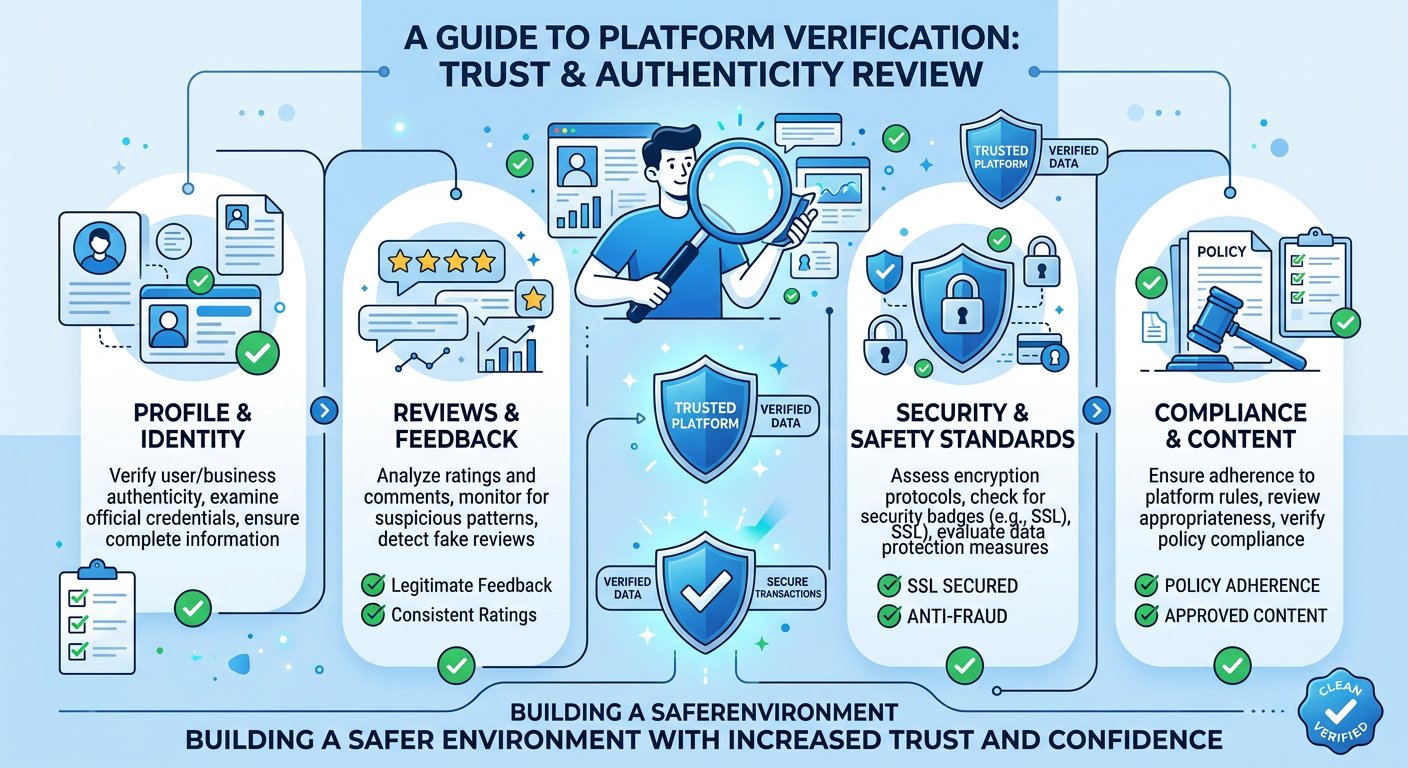
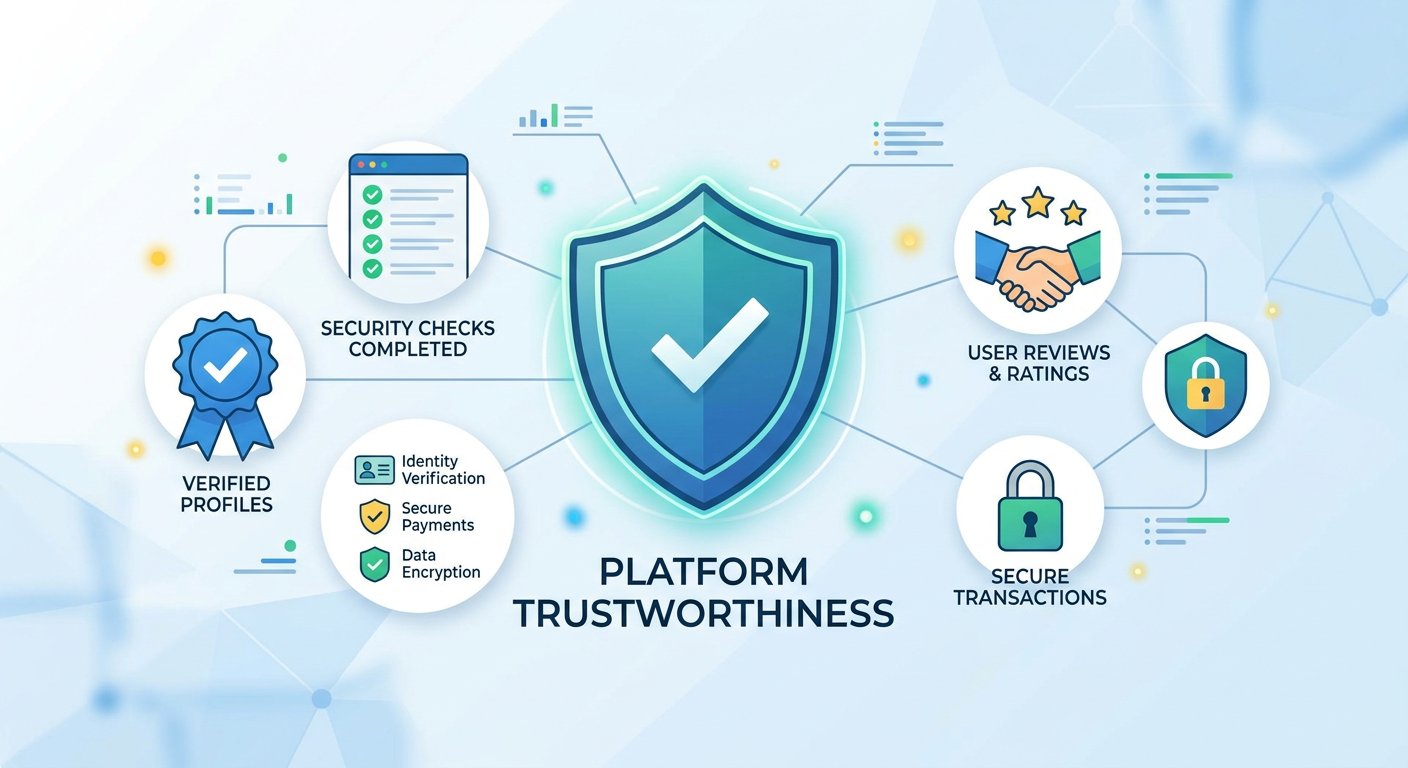
Third-party certifications. Seals of approval from established organizations consistently rank as the most trusted signals according to trust signal research. Look for security certifications from recognized authorities, privacy compliance badges from regulatory bodies, and verification from industry associations.
Transparency in operations. Platforms that clearly explain their moderation practices, data handling procedures, and response protocols to user reports demonstrate accountability. Vague statements about “community guidelines” without specifics signal minimal investment in user safety.
Consistent user experiences. When multiple independent sources report similar experiences with a platform—positive or negative—that consistency indicates reliable service quality. Platform-native reputation matters significantly more than imported ratings from affiliated sites.
Response to accountability. Platforms that acknowledge problems, communicate changes clearly, and follow through on commitments demonstrate the kind of integrity that protects users long-term.
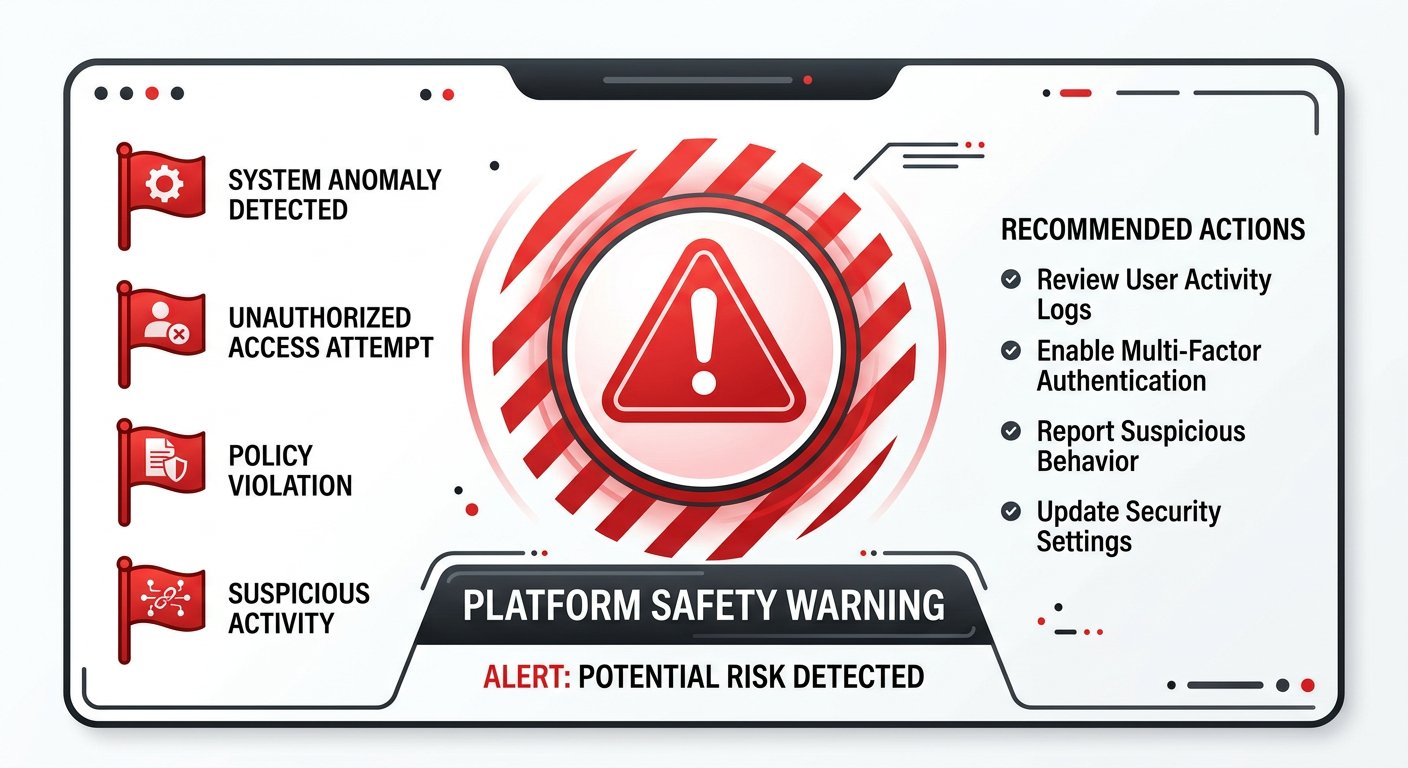
Red Flags That Signal Problems
Learning to identify warning signs before signing up prevents most common platform-related problems:
No clear privacy policy or terms of service. If you can’t find detailed explanations of how your data is collected, stored, and shared, that’s intentional opacity. Legitimate platforms want you to understand their practices. Questionable ones hide them.
Excessive permission requests before core functionality works. Platforms requesting extensive personal information, camera access, or contact list permissions before you’ve had any interaction have incentives beyond providing the service they claim to offer.
Discrepancies between platform claims and user reports. When official marketing describes a highly moderated environment but user reviews consistently report inappropriate content, the platform is either incompetent or dishonest—both concerning.
Limited or no reporting mechanism. If you can’t find an obvious way to report problematic users or content, the platform either doesn’t care about user safety or doesn’t want to hear about problems.
Recent domain registration with no established history. Platforms that appeared recently without any track record carry higher risk than established services with documented histories.
How to Research Any Platform Systematically
Apply this step-by-step approach before using any new video chat service:
Step 1: Verify basic legitimacy. Check domain age, ownership information, and registration details through WHOIS databases. Contact information that leads nowhere or domains registered through privacy services warrant additional caution.
Step 2: Cross-reference independent reviews. Find reviews on at least three independent platforms—sources that don’t benefit from promoting the service. Pay attention to patterns across reviews rather than individual claims.
Step 3: Evaluate the complete user experience. Look beyond star ratings to understand specific praise and complaints. Detailed negative reviews often reveal more about actual platform behavior than positive ones.
Step 4: Test core features without personal information. Where possible, experience the platform before providing personal data. Does the reported moderation actually function? Are features as described?
Step 5: Assess response to feedback. Can you find evidence of the platform addressing user concerns? Platforms that improve based on feedback demonstrate accountability that protects long-term users.
Frequently Asked Questions
Can I trust platform ratings alone when choosing a video chat service?
No. Rating scores represent one signal among many, and they can be manipulated through fake reviews, incentivized feedback, or selective display. Research from digital trust studies shows that platform-native reputation matters roughly 50% more than imported ratings from affiliated sources. Always cross-reference multiple independent sources before forming conclusions.
What permissions should concern me when installing video chat apps?
Be cautious of apps requesting contacts, location data, storage access, or extensive personal information before you’ve had any interaction with the service. Core functionality should work with minimal essential permissions. Apps demanding excessive access often have monetization strategies built around data collection rather than quality user experience.
How can I verify if a platform’s privacy claims are accurate?
Look for specific, verifiable claims rather than general statements about protecting user privacy. Legitimate platforms explain what data they collect, how long they retain it, who they share it with, and what control you have over your information. Vague promises without specifics should be treated as marketing rather than policy.
Are newer platforms always riskier than established ones?
Not necessarily, but recent platforms carry additional verification burden. Established services with documented track records have demonstrated accountability over time. Newer platforms may offer innovations or improvements, but they haven’t yet proven their commitment to user protection through sustained practice. Balance novelty benefits against verification requirements.
What should I do if I discover a platform is misrepresenting its practices?
Document the discrepancy between claims and reality. Share your findings on independent review platforms where other users can benefit from your experience. Consider reporting deceptive practices to relevant consumer protection authorities in your jurisdiction. Your report may prevent others from experiencing the same problems.
For more on evaluating video chat platforms, explore our platform review methodology and learn about understanding data collection practices before connecting with any service. You can also check our video chat platform safety guide for additional evaluation criteria.