Omegle Clone Safety: How to Identify Legitimate Alternatives in 2026
Omegle’s shutdown created a flood of new platforms claiming to offer the same experience. Some are legitimate successors with improved features. Others are hastily assembled clones designed to harvest data or exploit users who miss the original platform. Learning to distinguish between them protects your privacy and ensures you actually get what you’re looking for.
What Makes a Platform an Omegle Clone
The term “Omegle clone” describes any platform that replicates Omegle’s core functionality: random video matching with strangers without requiring account creation. This broad category includes everything from innovative alternatives building on Omegle’s foundation to direct copies that exist solely to profit from Omegle’s reputation.
According to cybersecurity research on scam website identification, clone sites represent one of the most common categories of fraudulent web pages. These malicious copies leverage the trust and recognition of established brands to deceive users who aren’t paying close attention.
Not all clones are scams—some platforms genuinely aim to serve users who enjoyed Omegle’s core concept. The key is developing the evaluation skills to distinguish authentic alternatives from those exploiting the gap Omegle left behind.
How to Spot a Legitimate Alternative
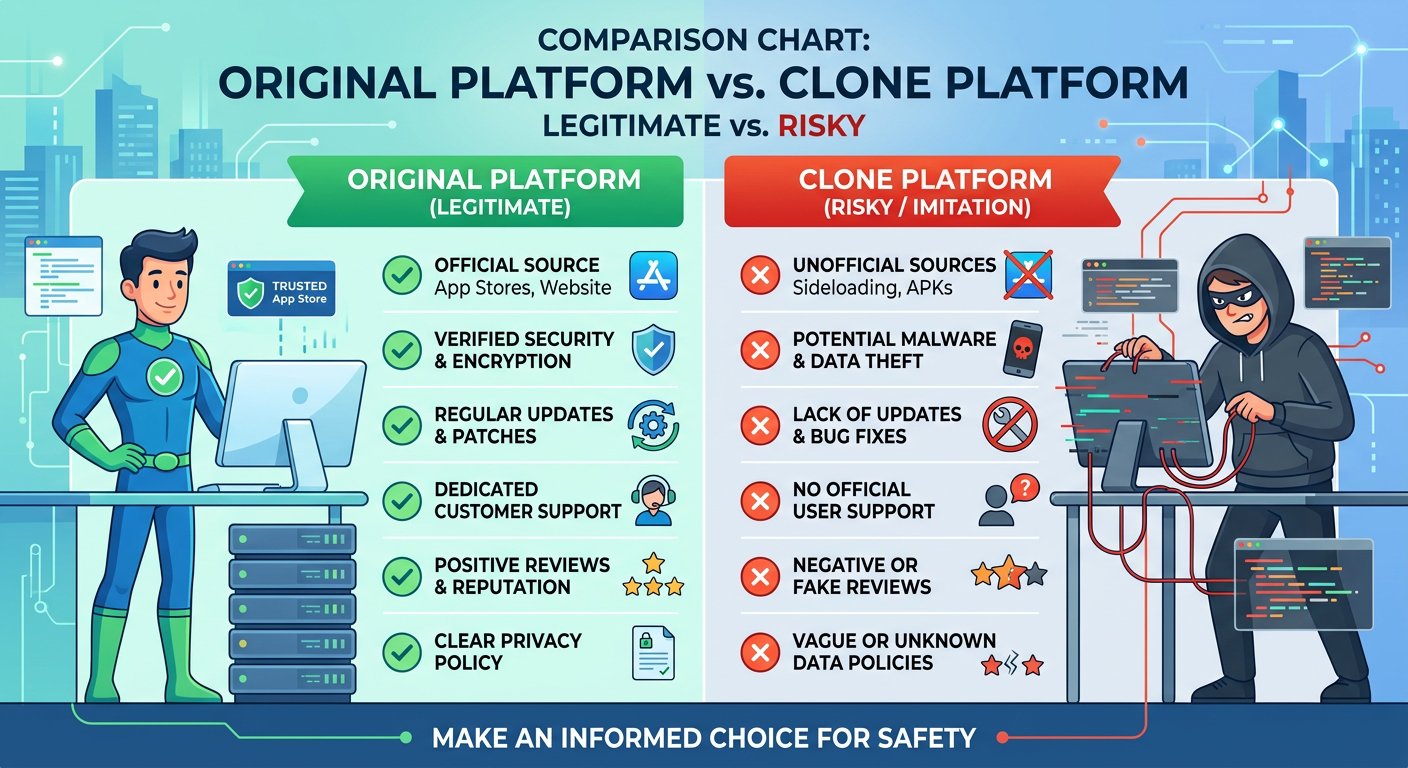
Legitimate platforms differentiate themselves through concrete features and transparent operations:
Unique value propositions. Platforms that simply copy Omegle’s interface without adding anything meaningful often lack the resources or intention to maintain quality service. Look for platforms explaining what they do differently—improved moderation, better matching algorithms, enhanced privacy controls, or innovative features that go beyond simple replication.
Transparent moderation policies. Legitimate alternatives invest in content moderation because they plan to operate long-term. They explain their moderation approach, response times for reports, and consequences for guideline violations. Vague references to “community guidelines” without specifics indicate minimal real investment.
Established operational history. Platforms that appeared within months of Omegle’s shutdown and immediately gained large user bases warrant additional scrutiny. Legitimate services grow through quality reputation, not just search engine optimization and paid promotion.
Professional development and maintenance. Regular updates, active social media presence, responsive support channels, and documented improvement processes indicate genuine platform development. Sites that look static or show no evidence of ongoing attention suggest minimal long-term commitment.
Warning Signs That Signal Problematic Clones
Research from fraud detection experts identifies specific warning signs that consistently indicate problematic platforms:
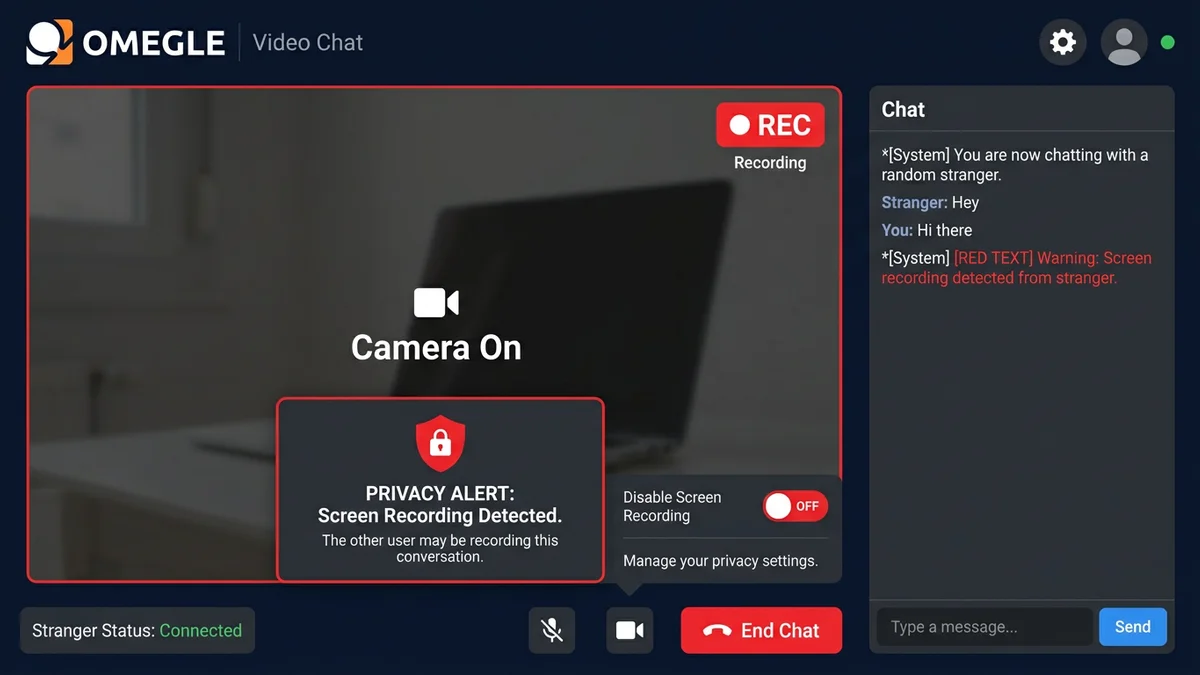
Excessive permission requests before core functionality. Platforms demanding extensive personal information, contact list access, or device permissions before allowing basic video chat have monetization strategies built around data collection. Legitimate services work with minimal required permissions.
Missing or vague privacy documentation. If you can’t find clear explanations of data collection, retention policies, and sharing practices, the platform either doesn’t have coherent privacy practices or doesn’t want you to understand them.
No visible user support channels. Legitimate platforms provide ways to report problems and get help. The absence of contact information, support forms, or community forums suggests the operators don’t intend to address user concerns.
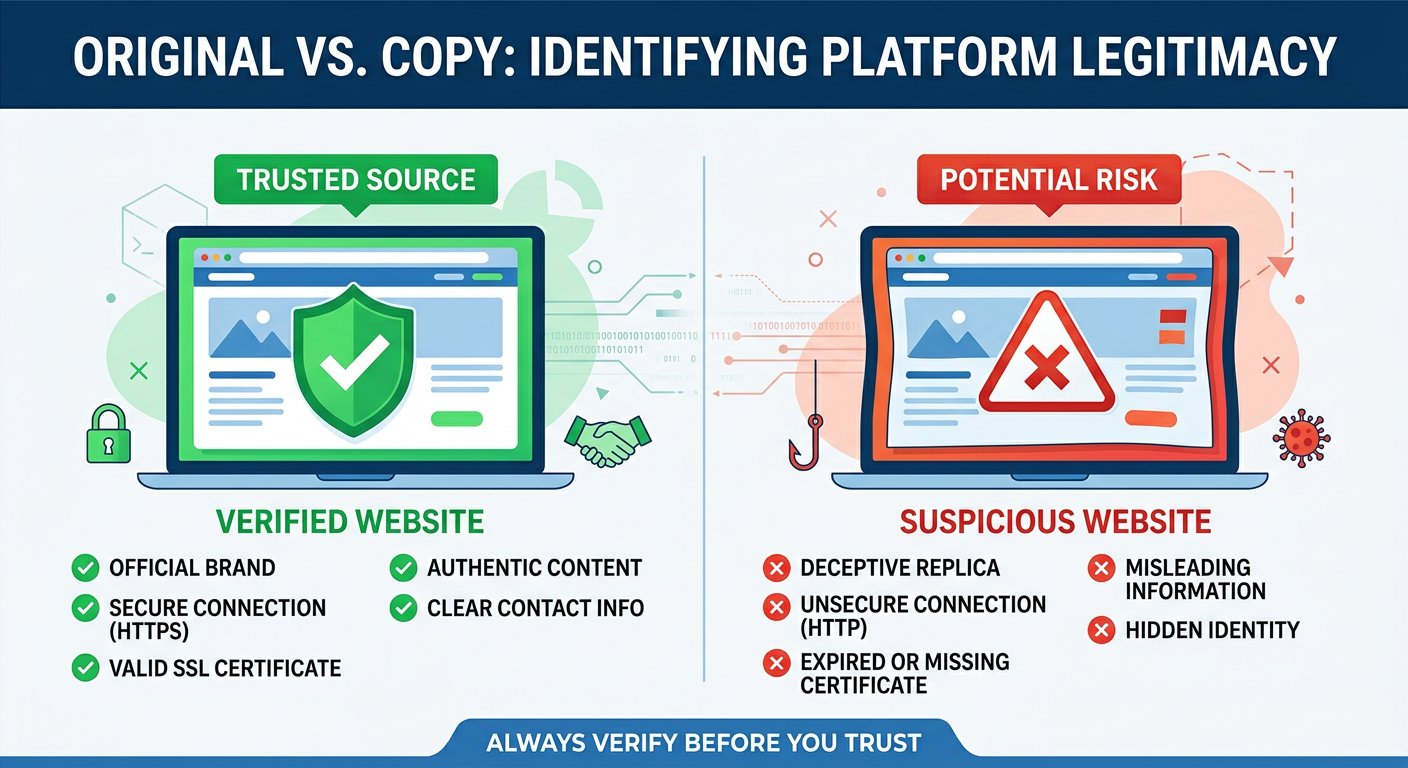
Recently registered domains with minimal web presence. Use domain age checkers and WHOIS lookups to verify how long a platform has existed. New domains with no independent reviews or social media presence carry higher risk than established services.
Inconsistent branding or visual quality. Professional platforms maintain consistent design standards. Significant variations in logo quality, typography, or interface design suggest copied elements from multiple sources rather than cohesive development.
Building Trust Through Verification
Platforms earn trust over time through consistent behavior, but you can verify legitimacy through systematic checks:
Cross-reference independent reviews. Find user experiences on platforms that don’t benefit from promoting the service. Patterns across multiple independent sources reveal more about actual quality than promotional content on the platform itself.
Use cybersecurity scanning tools. Services like URLVoid analyze websites against blocklists and reputation databases to identify known malicious platforms. These tools provide quick risk assessments based on aggregated threat intelligence.
Verify security implementations. Check for HTTPS encryption, clear data handling policies, and transparent cookie practices. According to online safety research, legitimate platforms prioritize basic security measures that protect user data during transmission.
Test before committing personal information. Where possible, experience the platform’s core functionality before providing personal data. Evaluate whether moderation works as described, whether the interface functions smoothly, and whether the overall experience matches the platform’s claims.

Frequently Asked Questions
Are all new Omegle alternatives risky to use?
No. Many legitimate platforms emerged after Omegle’s shutdown, offering genuine value to users seeking similar experiences. The key is applying evaluation criteria consistently—checking domain age, reviewing independent feedback, testing core features, and verifying security implementations—rather than assuming all alternatives are problematic.
What permissions should concern me when using video chat clones?
Be cautious of any platform requesting access to contacts, location data, microphone or camera beyond what’s needed for video chat, or personal information before functionality works. Core video chat requires minimal permissions. Platforms requesting extensive access before you’ve had any interaction likely collect data for purposes beyond providing the advertised service.
How can I quickly verify a platform’s safety before using it?
Start with domain age verification through WHOIS lookups, check for HTTPS encryption and padlock icons, search for independent reviews on platforms that don’t benefit from promoting the service, and use cybersecurity scanners like URLVoid or Google Safe Browsing to check reputation databases. These steps take minutes but reveal significant information about platform legitimacy.
Can AI-generated clones be more dangerous than traditional scams?
Yes. AI enables creation of more convincing fake platforms with professional branding, authentic-looking interfaces, and persuasive marketing copy. The FTC has issued warnings about AI-cloned websites designed to steal personal information or money. Higher quality presentation doesn’t guarantee legitimacy—always apply verification criteria regardless of how professional the platform appears.
What should I do if I discover a clone is harvesting data or misrepresenting practices?
Document the discrepancy between platform claims and actual behavior. Report the platform to relevant consumer protection authorities in your jurisdiction, share your findings on independent review platforms where others can benefit from your experience, and consider warning others through appropriate channels. Your report may prevent additional users from experiencing problems.
For more on evaluating video chat platforms, explore our platform reputation guide and learn about reviewing specific services before trusting them with your information. You can also understand data collection verification to assess privacy practices.